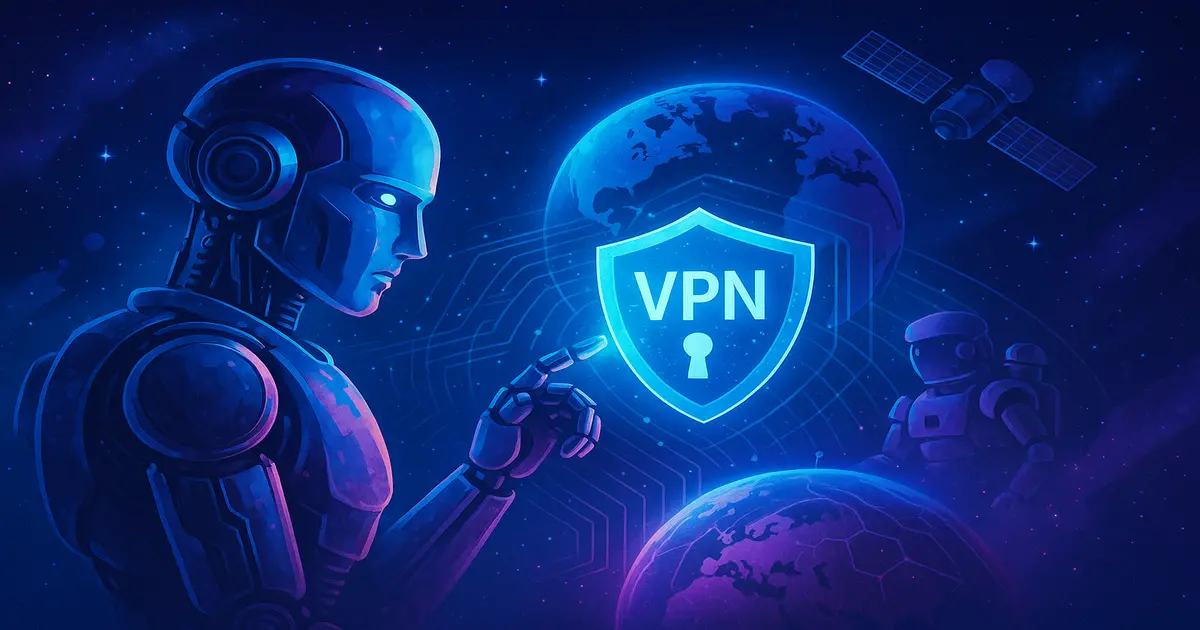

What Does a VPN Really Do?
Discover how a VPN protects your online privacy. Perfect for anyone new to digital safety. #VPNBasics #OnlinePrivacy #InternetSafety
In today's digital age, maintaining privacy and security online is more important than ever. With the increasing amount of personal data shared over the internet, having a basic understanding of online privacy tools can make a significant difference in keeping your information safe. One such tool that has gained popularity is a Virtual Private Network, or VPN for short.
A VPN might sound technical, but it's actually a user-friendly tool designed to protect your online activities. At its core, a VPN creates a secure and encrypted connection between your device and the internet. Imagine it as a tunnel that shields your data from prying eyes while you're browsing the web.
Why Use a VPN?
The internet can be a bit like a busy highway where anyone can see where you're headed. Without a VPN, your internet service provider (ISP), advertisers, or even hackers could potentially monitor your online activities. This is where a VPN steps in to provide a layer of privacy.
When you connect to a VPN, your internet traffic is routed through an encrypted tunnel to a server operated by the VPN company. This disguises your IP address—the unique identifier of your device on the internet—and makes it appear as if your traffic is coming from the VPN server's location. This process helps to mask your identity and makes it more challenging for anyone to trace your online actions back to you.
Privacy Benefits
Using a VPN enhances your online privacy by keeping your browsing habits away from nosy onlookers, such as ISPs and advertisers. With your true IP address concealed, it's tougher for these entities to build a profile based on your internet use. Additionally, a VPN can prevent your data from being intercepted on public Wi-Fi networks, which are often less secure and more vulnerable to cyber-attacks.
What Else Can a VPN Do?
Access Restricted Content: VPNs can help you bypass geographical restrictions. For instance, certain websites and streaming services may only be available in specific regions. By connecting to a VPN server in the desired location, you can potentially access this geo-blocked content.
Prevent Bandwidth Throttling: Some ISPs throttle internet speeds for certain activities, like streaming. Using a VPN can make it harder for your ISP to identify and slow down your specific activities.
Secure Remote Access: In a work-from-home setting, VPNs provide a secure way for employees to access their company's network remotely, ensuring that sensitive data remains protected.
Choosing the Right VPN
When selecting a VPN, consider factors like privacy policies, server locations, speed, and ease of use. Make sure the VPN provider offers strong encryption protocols and does not keep logs of your online activities. Many reputable VPN services offer user-friendly apps that make connecting to their servers a breeze.
Conclusion
A VPN is a straightforward and effective tool for enhancing your online privacy and security. While it's not a one-stop-shop for all things digital safety, it provides a valuable layer of protection in an increasingly connected world. Whether you're a tech-savvy individual or just starting to explore digital security, understanding what a VPN does can help you make informed decisions about safeguarding your internet activities.