How VPNs Bypass Censorship (Safely)
How VPNs Bypass Censorship (Safely)
In some countries, the internet can feel like a library with half the shelves locked. You type in a website and—bam—a blank page, an error, or a “not allowed here” message. That’s where VPNs come in. They can help people reach news, education, and communities they’d otherwise be shut out from. Here’s how it works in plain language, and how to keep it responsible and safe. #BypassCensorship #FreeInternet #VPNAccess
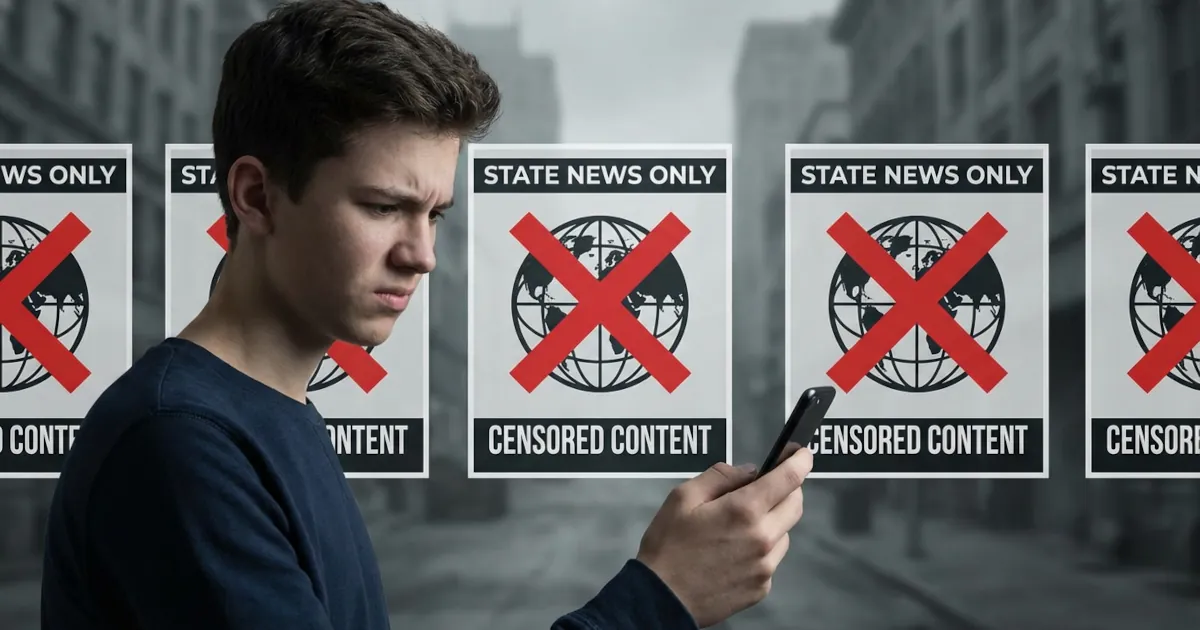
Imagine the internet as a big city with roads leading everywhere—news outlets, social platforms, video sites, reference pages. Now imagine certain roads have checkpoints that won’t let cars through if they don’t like the destination. That’s censorship. It can happen for many reasons, from politics and social pressure to business disputes. The result is the same: you’re kept from the information you want.
A VPN, short for virtual private network, is like a private tunnel under those roadblocks. When you turn one on, your device creates a secure connection to a VPN service. From there, your internet traffic goes out to the broader web. To the checkpoint, it looks like you’re only going to the tunnel entrance, not to the websites beyond. And to the websites you visit, it looks like you’re arriving from the VPN’s neighborhood, not your own. In practice, that means people in restricted environments sometimes reach sites that are otherwise blocked, and they can read, learn, and speak with a bit more privacy.
Let’s keep things clear and ethical. A VPN isn’t a magic invisibility cloak. It won’t make you “untrackable” or grant a license to break laws. It can’t protect you from everything, and it won’t fix unsafe habits like sharing too much personal information. It’s just one practical tool—like a curtain on a window—that can help restore some privacy and access in places where those are limited. Always check local rules before using one, and make choices that keep you and others safe.
So what’s actually happening inside that tunnel? Think of it as wrapping your traffic in an envelope. The outside of the envelope has the address of the VPN service, so local networks see only that. Inside are your requests to visit sites and services. The VPN then forwards those requests on your behalf, so the sites you visit see the VPN’s location, not yours. That “location shift” is why someone sitting in a blocked environment might suddenly access a site as if they were elsewhere.
Censors use a few tricks to block things: they can refuse to connect to certain sites, redirect you to dead ends, or slow down traffic so it becomes unusable. VPNs get around this because the internet watchdog can’t easily see what’s inside that encrypted envelope to filter it. Some VPNs even try to make their traffic look more ordinary, like blending into the crowd so it attracts less attention. The result: more doors are open, more pages load, and more conversations become possible.
None of this is abstract; it matters in everyday ways. Picture a student trying to read scholarly articles for a class. Or a journalist double-checking facts. Or a family separated across borders, trying to stay in touch on a platform that’s suddenly “not available.” People don’t turn to VPNs for thrills—they turn to them for free speech access, education, and connection. When used responsibly, VPNs can help deliver those basics.
But let’s talk about limits and risks, because being real is part of being safe. A VPN provider becomes an important part of the chain. That means trust matters. Look for services that clearly explain their privacy practices in plain language, avoid collecting unnecessary data, and have a track record of transparency. Beware “free” services that might pay the bills by harvesting your data. Also, VPNs can slow things down a little (the tunnel adds a few steps), and some websites try to block known VPN addresses. If your connection seems finicky, that might be why.
Your device itself is another piece of the puzzle. A VPN protects the road between you and the VPN server, but it can’t fix everything on your phone or laptop. If your device is full of suspicious apps, always-on location sharing, or weak passwords, a VPN won’t save the day. Think of it like locking your front door but leaving the windows wide open. Use good digital hygiene: update your software, be careful about what you install, and double-check links before you click.
Then there’s the most important point: context. Laws and norms vary widely from place to place. In some areas, VPN use is limited, regulated, or even forbidden. In others, it’s perfectly ordinary—businesses use VPNs all the time so employees can safely access company systems. If you’re uncertain, take a cautious approach. Understanding your local environment helps you make choices that balance access, responsibility, and personal safety.
Responsible tech use also means thinking about what you do once you get online. With access comes influence. Sharing accurate information helps; spreading harmful rumors doesn’t. Respect the rules of communities you join. Think about the safety of others whose words or identities you might expose. Free speech access isn’t just a right; it’s a responsibility—to tell the truth, to protect the vulnerable, and to keep the internet useful for everyone.
If you’re wondering how to pick a safer path without getting too technical, here are some common-sense ideas:
- Choose services that are clear about what data they collect—and what they don’t.
- Prefer companies that have been around a while and have independent reviews.
- Treat miracle claims with skepticism. No tool is perfect, and honest providers say so.
- Keep your device healthy: updates on, passwords strong, and suspicious apps out.
- Remember that a VPN is a tool for privacy and access, not a shield for harmful behavior.
Ultimately, VPNs help people read, learn, and speak. That matters. When you can cross a digital border to watch a lecture, check a fact, or message a friend, the world gets a little more open. And when you pair that access with thoughtful, responsible choices, you’re not just unlocking a website—you’re strengthening the wider culture of curiosity and care that keeps the internet worth fighting for.
So yes, a VPN can help bypass censorship by routing your traffic through a secure tunnel and making it look like you’re connecting from somewhere else. Used wisely and lawfully, it can restore the simple freedom to browse, research, and connect. That’s the heart of #BypassCensorship, the dream of a #FreeInternet, and the promise of #VPNAccess: not to break things, but to build bridges.
Stay curious. Stay kind. Stay safe.